FOUNDING ASSEMBLY
The Founding Assembly, comes together twice a year to hold its discussions in planning and linking the communes and collectives as well as to plan ahead.
Founders of the Academy include:
Anna Clara Basilicò
Anna Clara Basilicò is a social historian and an activist. Her research interests involve prison history and the history of early modern Mediterranean. She is particularly interested in prisons as sites of encounter and on women carceral experiences.

Radha D’Souza
Radha D’Souza is a critical scholar, social justice activist, barrister and writer, from India. She is Professor of Law Development and Conflict Studies at the University of Westminster in London. She has worked with trade unions, democratic rights movements, and appeared in public interest litigation cases. She has worked with anti-globalisation and peace movements in India and the Asia-Pacific regions. Together with Dutch artist Jonas Staal, she is co-founder of the Court for Intergenerational Climate Crimes (CICC) which is based on her critique of liberalism in her book What’s Wrong With Rights? Social Movements, Law and Liberal Imaginations (Pluto, 2018). The most recent iteration of the CICC titled East India Company on Trial was staged in London on 5-6 April 2025 followed by the CICC School from 8-24 April 2025. Radha has published extensively in multiple genres and academic disciplines including for social movement platforms. Her book co-edited with Sunera Thobani Decolonising Knowledge: Looking Back, Moving Forward (Bloomsbury, 2025) was launched in April 2025.
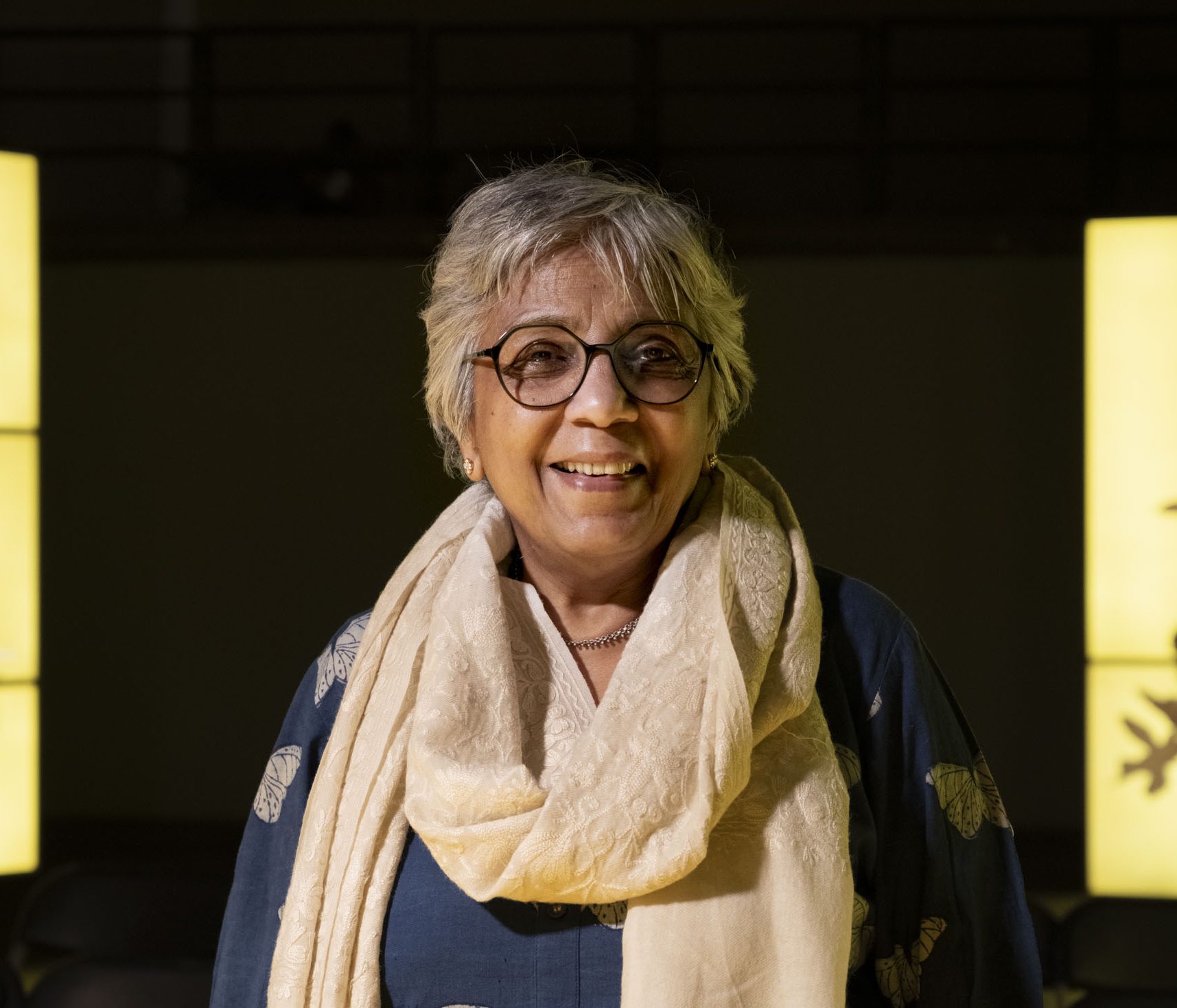
Mechthild Exo
Dr. Mechthild Exo is a peace researcher and activist. She focuses on the decolonization of knowledge, research methodologies, and practice, feminist-decolonial critique and the rethinking of central theories and concepts of (world) politics, grassroots democratic self-organization and new concepts of peace. She is a lecturer on international development, anti-discrimination and gender.

Laura Fantone
Laura Fantone is an activist and sociologist from Bologna.
Her interests are mainly gender, political participation, migration and refugees. She writes on precarity, art, homophobia, global movements and women in the antifascist resistance.
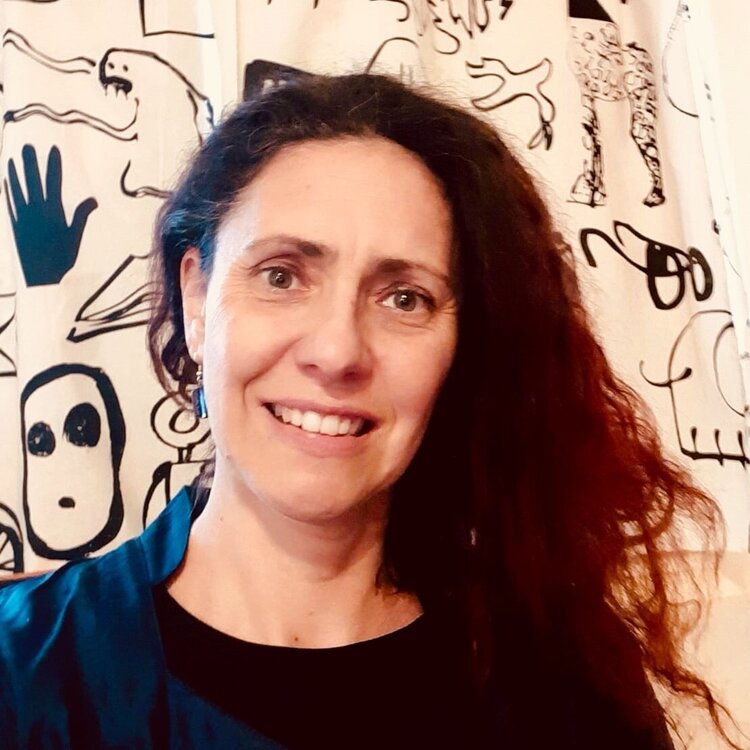
Harriet Friedmann
I am a food system analyst, writer and lecturer. Since retirement from the University of Toronto in 2012, I freely pollinate worlds of academia, policy and activism across scales of organization. Beginning at the intersection of Rural Sociology, Geography, and World Systems, I have progressively engaged with natural sciences and explored different ways of knowing. I understand world history since 1500 as intertwined histories of commodity frontiers — monocultures connected to global cities — on one side, and evolving place-based foodways created by diverse peoples in their shadows. I look to the future by exploring transitions to regenerative ways of inhabiting places in the earth, to renewing biocultural landscapes within Gaia.
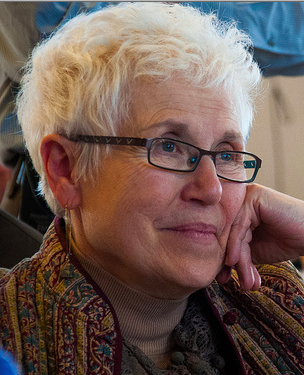
Muriel González Athenas
Dr. Muriel González Athenas is currently a university assistant at the University of Innsbruck at the Institute for History and European Ethnology and the Center for Interdisciplinary Gender Studies Innsbruck. In addition, she has been teaching Empowerment Theories and Introduction to Postcolonial Studies at the University of Applied Sciences Düsseldorf for three years. Her main research interests are: gender history, cultural economic history, feminist epistemology and methods, history of knowledge, spatial conceptions, postcolonial studies, decolonial perspectives and practices.
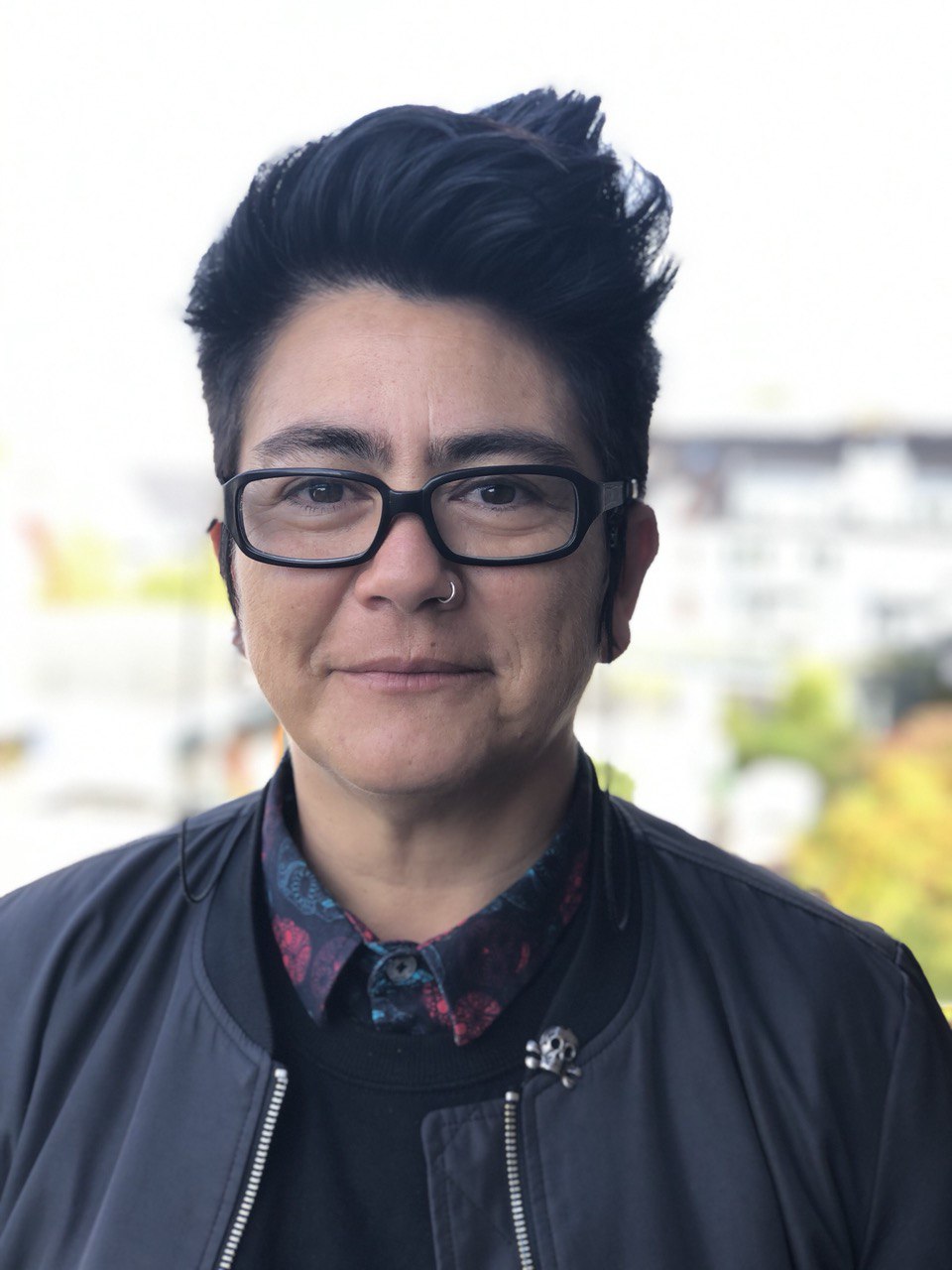
Havin Guneser
Havin Guneser is an engineer and a long time women’s freedom activist. She was one of the spokespersons of the International Initiative “Freedom for Abdullah Öcalan—Peace in Kurdistan” for a long time and organizer of the Network for an Alternative Quest conferences. She has translated Abdullah Öcalan’s books into English. She is on the advisory board of the Jineolojî journal, writes a monthly column for Newaya Jin and is the author of The Art of Freedom (PM Press, 2021).

Andrej Grubačić
Andrej Grubačić is the Editor of the Journal of World-Systems Research and Professor and founding Chair of the Department of Anthropology and Social Change at the California Institute of Integral Studies in San Francisco. He is the author, most recently, of Living at the Edges of Capitalism: Adventures in Exile and Mutual Aid (UC Press, 2016), co-authored with Denis O’Hearn, which received the 2017 American Sociological Association Prize for Distinguished Scholarship. He is also the author of Don’t Mourn, Balkanize! Essays After Yugoslavia (PM Press, 2010).
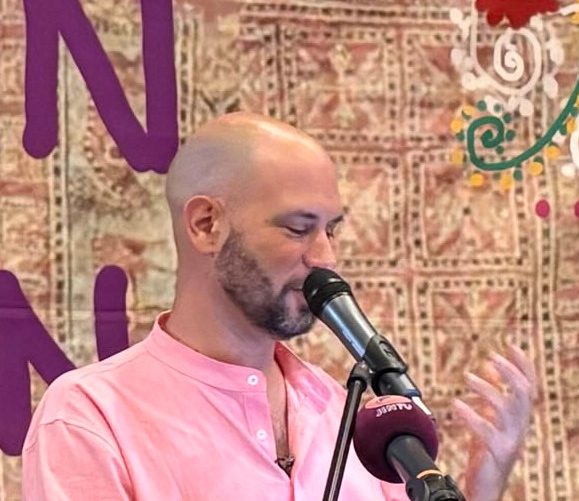
John Holloway
John Holloway teaches in the graduate school of sociology in the Benemérita Universidad Autónoma de Puebla, Mexico. He has written widely on anti-capitalist struggles and the meaning of revolution today. His books Change the World without taking Power (2002), Crack Capitalism (2010) and Hope in Hopeless Times (2022) have been translated into a dozen languages and have stirred international controversy.
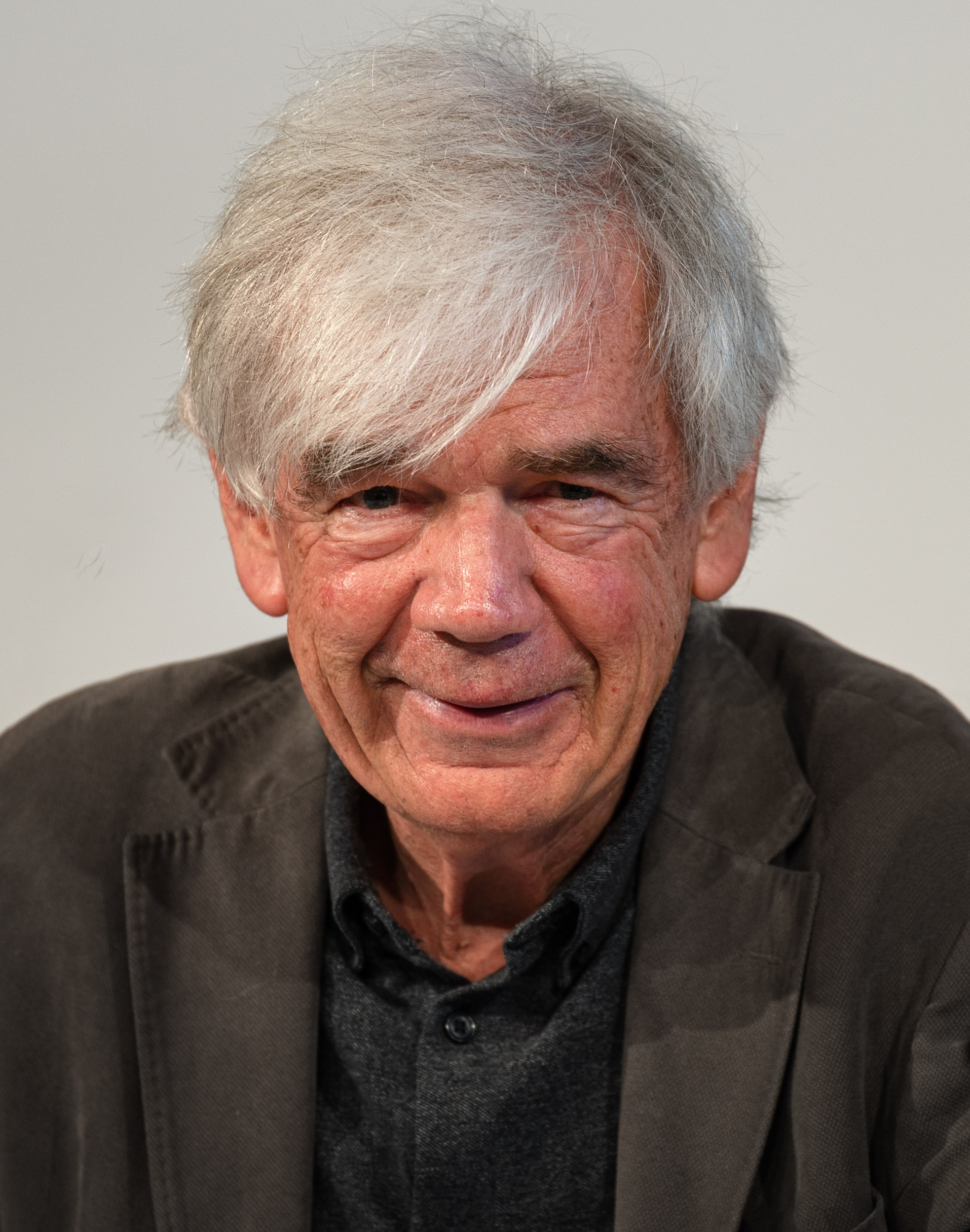
Reimar Heider
Reimar Heider is a physician by training, human rights activist, translator, and editor. For twenty years, he was one of the spokespersons of the International Initiative “Freedom for Abdullah Öcalan—Peace in Kurdistan” and one of the main organizers of the Network for an Alternative Quest. He has translated several of Öcalan’s books into German.
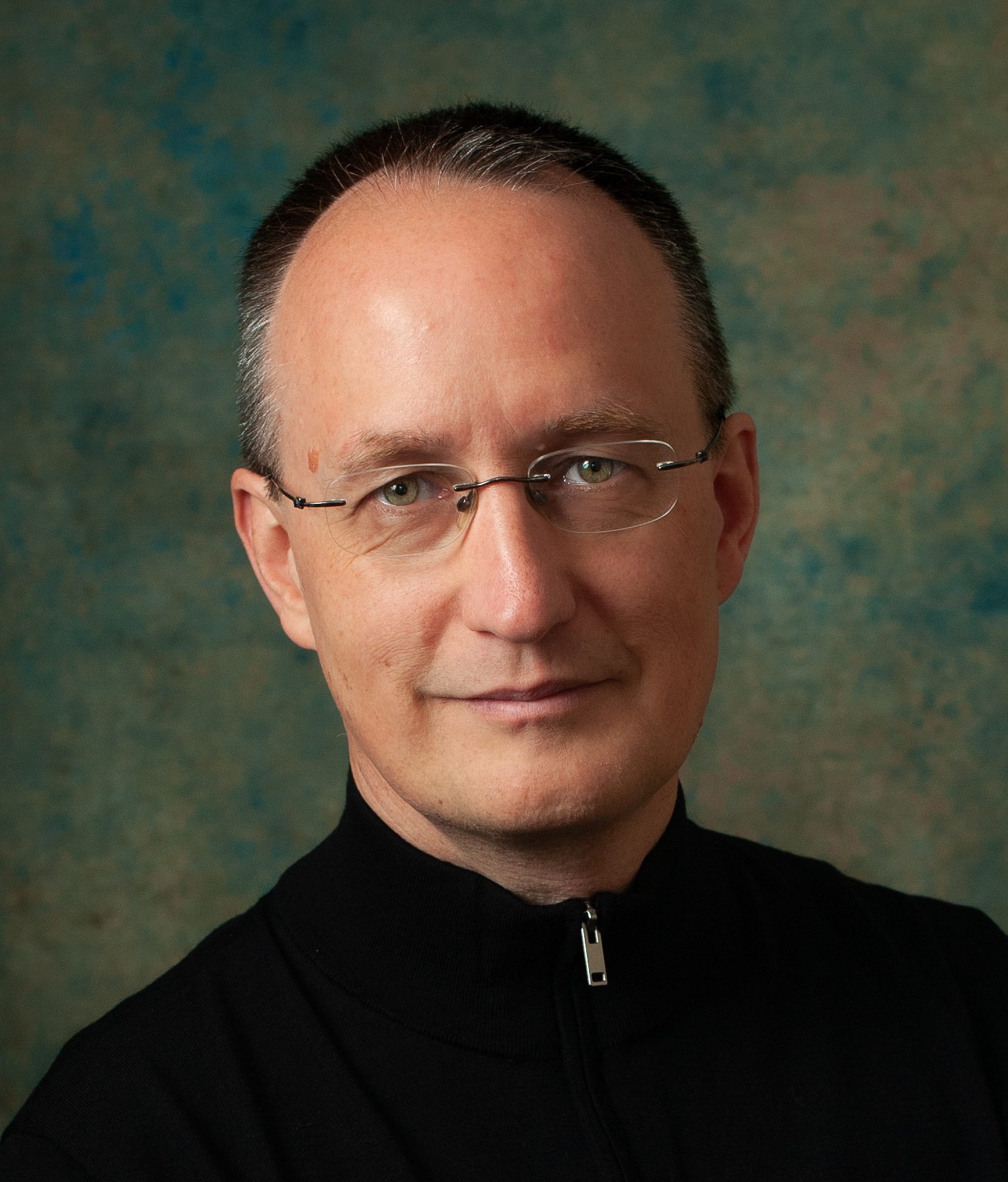
Amber Huff
Amber Huff is an anthropologist and political ecologist based at the Institute of Development Studies (IDS) at the University of Sussex in the UK, where she is part of the Resource Politics and Environmental Change research group and coordinator of the Centre for Future Natures. Her research focuses on political economy and people’s situated experiences of environmental change, exploring contested and evolving ecologies of ‘crisis’, enclosure and people’s struggles to claim, sustain and defend free life. She is interested in commoning, autonomous education, speculative and spectral fiction, storytelling, and making art, comic books and zines, and does research Madagascar, Kenya, South Africa and the UK.

Pat Huff
Patrick Huff is a lecturer at Birkbeck, University of London. His interests are the philosophy of science, Black feminism, Black Radical Tradition, political philosophy, economy and ecology, and anarchism.

Ögmundur Jónasson
Historian, journalist, tv and radio broadcaster, trade unionist, Member of the Icelandic Parliament for over twenty years, served several ministerial posts, formerly Member of the Parliamentary Assembly of Europe and is currently Member on behalf of Iceland of the European Commission against Racism and Intolerance; Board member of Finance Watch; Spokesman for the International Initiative “Freedom for Abdullah Öcalan—Peace in Kurdistan”, and has taken part in numerous Imrali delegations.
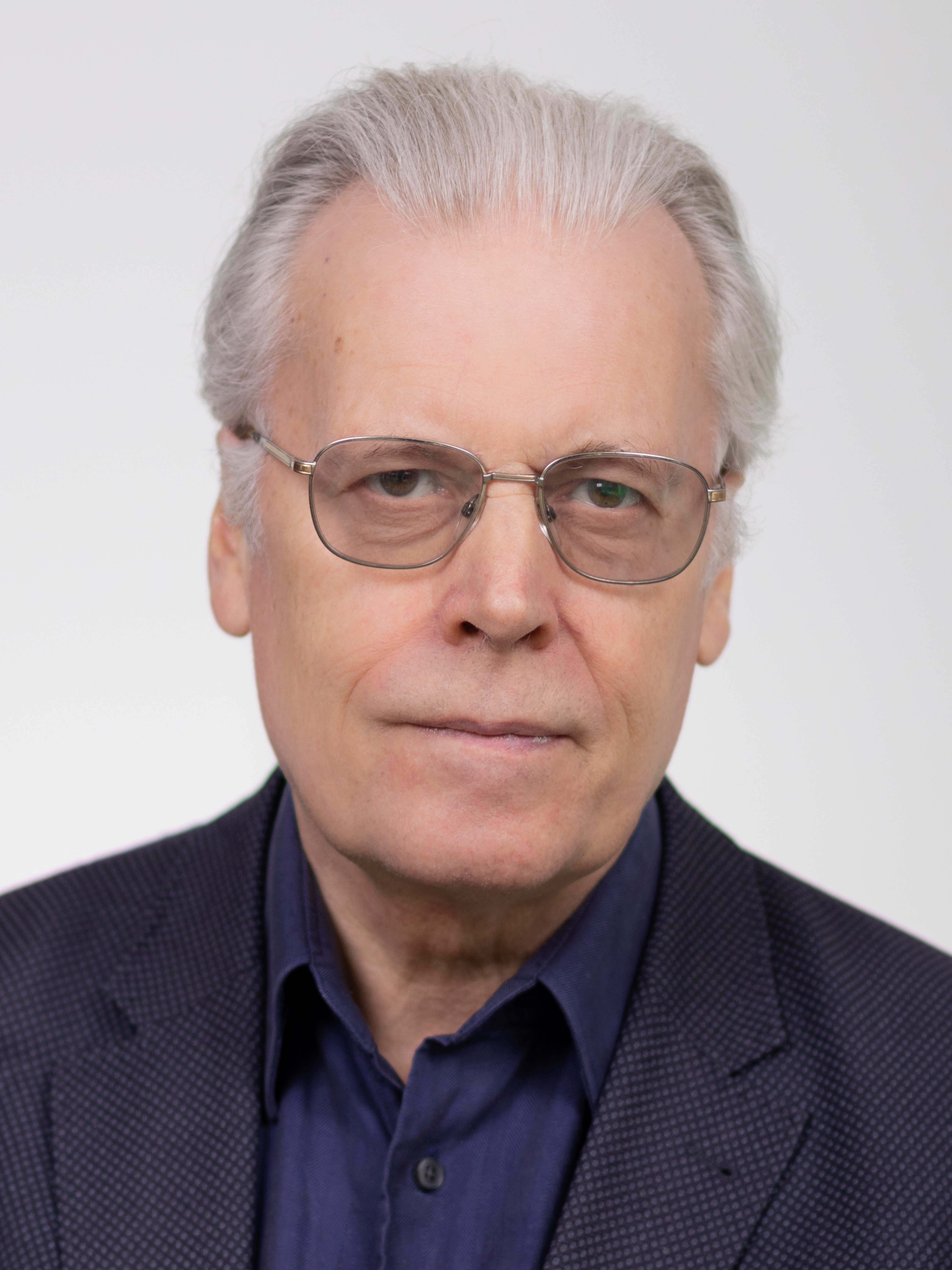
Joost Jongerden
Joost Jongerden (PhD) is an Associate Professor at Rural Sociology, Wageningen University, the Netherlands. Trained as a rural sociologist, he has crossed into social movement theory, political science and historical sociology, embracing a kind of disciplinary trespassing. He has worked on forced migration, rural development, and political & violent conflict in the Kurdistan region. His main interest is in the dynamics of dispossession, displacement and conflict and the ways in which people not only respond the conditions in which they are made vulnerable, but also act upon ideas for creating a better future. He refers to this as Do-it-Yourself Development.

James Kelman
James Kelman is a Scottish writer. His first book of short stories appeared 1973. His latest in 2025. He also writes novels, nonfiction and drama. He and partner, Marie, live in Glasgow, nearby their children and grandchildren.

Nik Matheou
Nik Matheou is an internationalist activist, and teaches and researches global history and Marxism at the University of Edinburgh. His activism has focused on political education, internationalist solidarity and the Boycott Turkey campaign. Nik’s research and teaching explore long histories of capitalism, the political economy of state civilization, and subaltern resistance, seeking to develop libertarian Marxist approaches inspired by the revolutionary paradigm of Abdullah Öcalan.
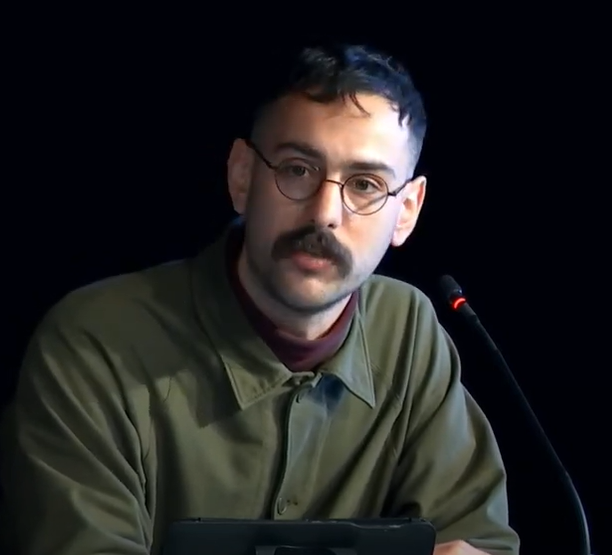
Targol Mesbah
Targol Mesbah teaches critical theory and media in the Anthropology and Social Change department at the California Institute of Integral Studies. She researches the social, psychic and material relations that shape the experience of wars and the everyday possibilities of living, knowing, loving and dying. She also studies different practices of refuge and sanctuary.
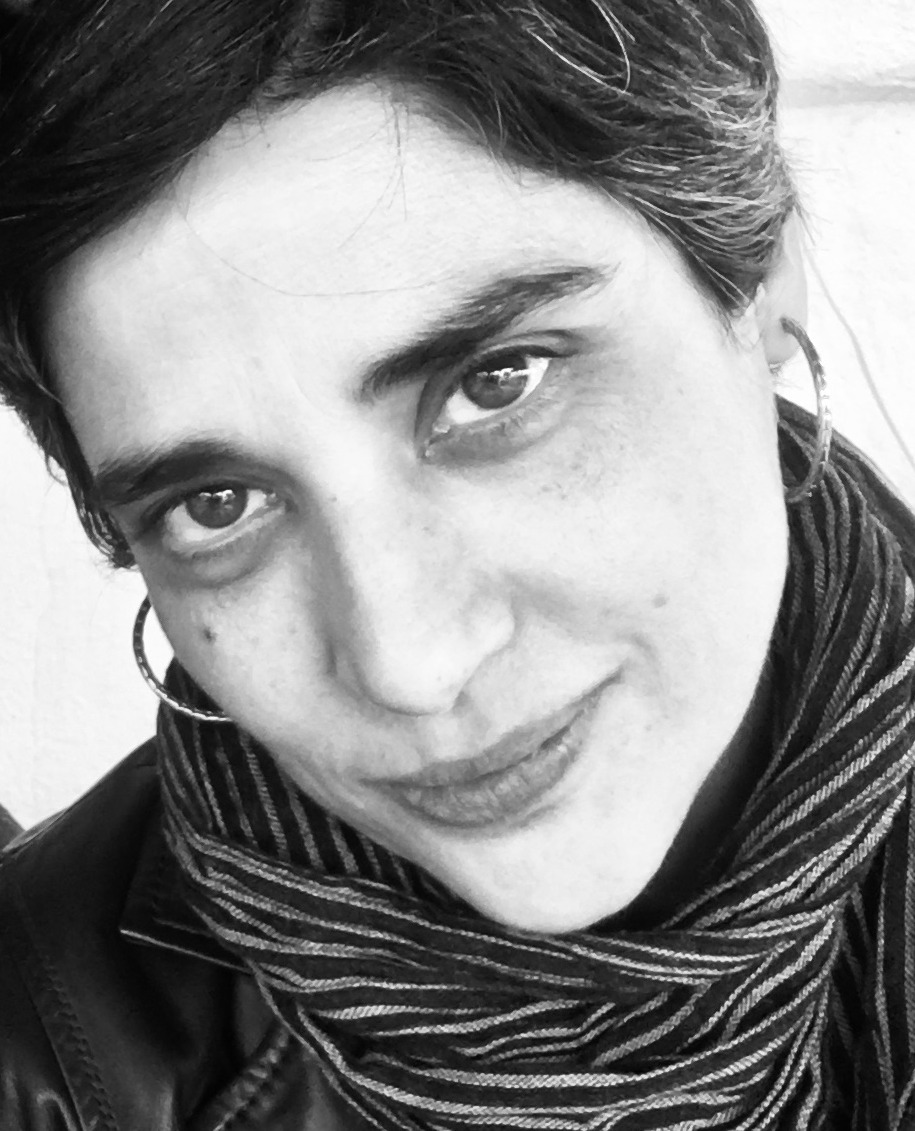
Denis O’Hearn
Denis O’Hearn is an enrolled member of the Qawalangin tribe of Unalaska. He has been an activist scholar in Belfast, the US, and Turkey. His biography of the Irish hunger striker Bobby Sands, Nothing but an Unfinished Song, has been translated into Kurdish, Basque, Turkish, and French, and Italian. His book with Andrej Grubačić, Living at the Edges of Capitalism, examines societies that practice mutual aid outside of the logic of states and capitalism.

Norman Paech
Norman Paech taught political science and public law at the University of Economics and Politics and the University of Hamburg until 2003. He was the long-time chairman of the German branch of the „International Association of Democratic Lawyers“ and editor-in-chief of the journal „Demokratie und Recht“ (Democracy and Law). He is currently a member and scientific advisor to the „International Lawyers Against Nuclear Armament“ (IALANA) and the German section of the „International Physicists for the Prevention of Nuclear War“ (IPPNW). In 1993, he represented the PKK before the Federal Administrative Court in its lawsuit against the ban by the German federal government. In 1996, he met Abdullah Öcalan near Damascus when Öcalan first announced his renunciation of a separate Kurdish state and violent struggle. His academic interests focus on issues of international law relating to war and peace, as well as human rights. This is reflected in publications such as “Power Politics and International Law in International Relations” (2013), “Human Rights” (2019), and “Genocide in Gaza” (2025).

Werner Ruf
Werner Ruf, born 1937, taught political science at New York University, Université Aix-Marseille III, Universität Essen-Duisburg and Universität Kassel (Germany). He spent more than four years doing research in North Africa. He served as an expert for the EU-Commission on human rights in the Maghreb and published widely on political and socio-economic developments in North-Africa and the Middle East as well as on security policies on the global level and in the Mediterranean. His recent work concentrated on political Islam and on the EU’s free trade agreements and its New Neighborhood Policy with the states of the southern shore of the Mediterranean. In the frame of the activities of the Rosa-Luxemburg Foundation and its Tunis office he started a project for the cooperation between universities and researchers in Europe and North-Africa in order to strengthen the freedom and the independence of scientific research and teaching in the region.
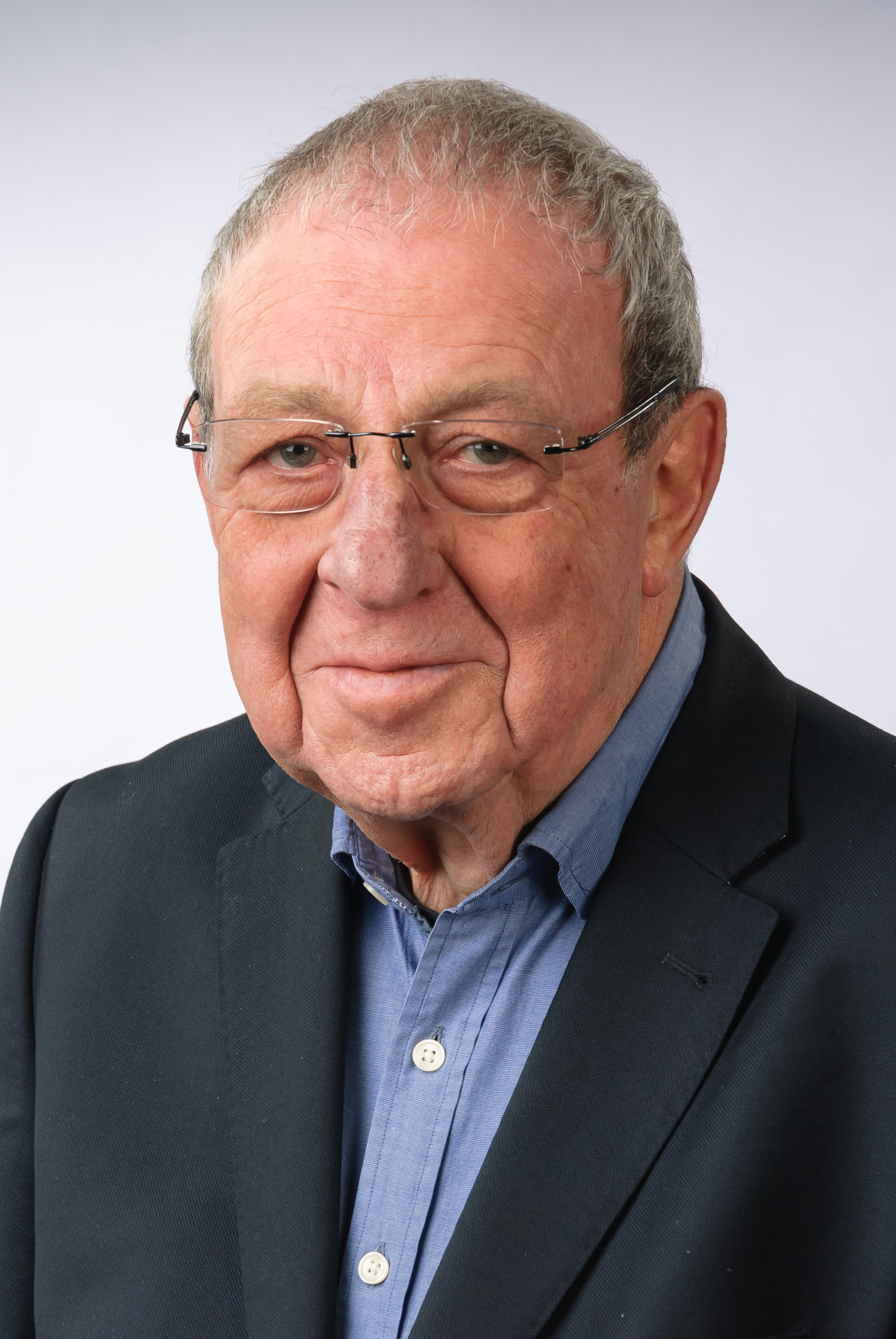
Raúl Zibechi
Raúl Zibechi is an uruguayan popular educator and journalist involved in different social conflicts in Latin America. He wrote more than 30 books about “pueblos en movimiento”, because he rejected the colonial concept of “social movements”.
He received the Doctor Honoris Causa in 2017 by the Universidad Mayor de San Andrés (La Paz, Bolivia).