
Journal – Democratic Modernity
-
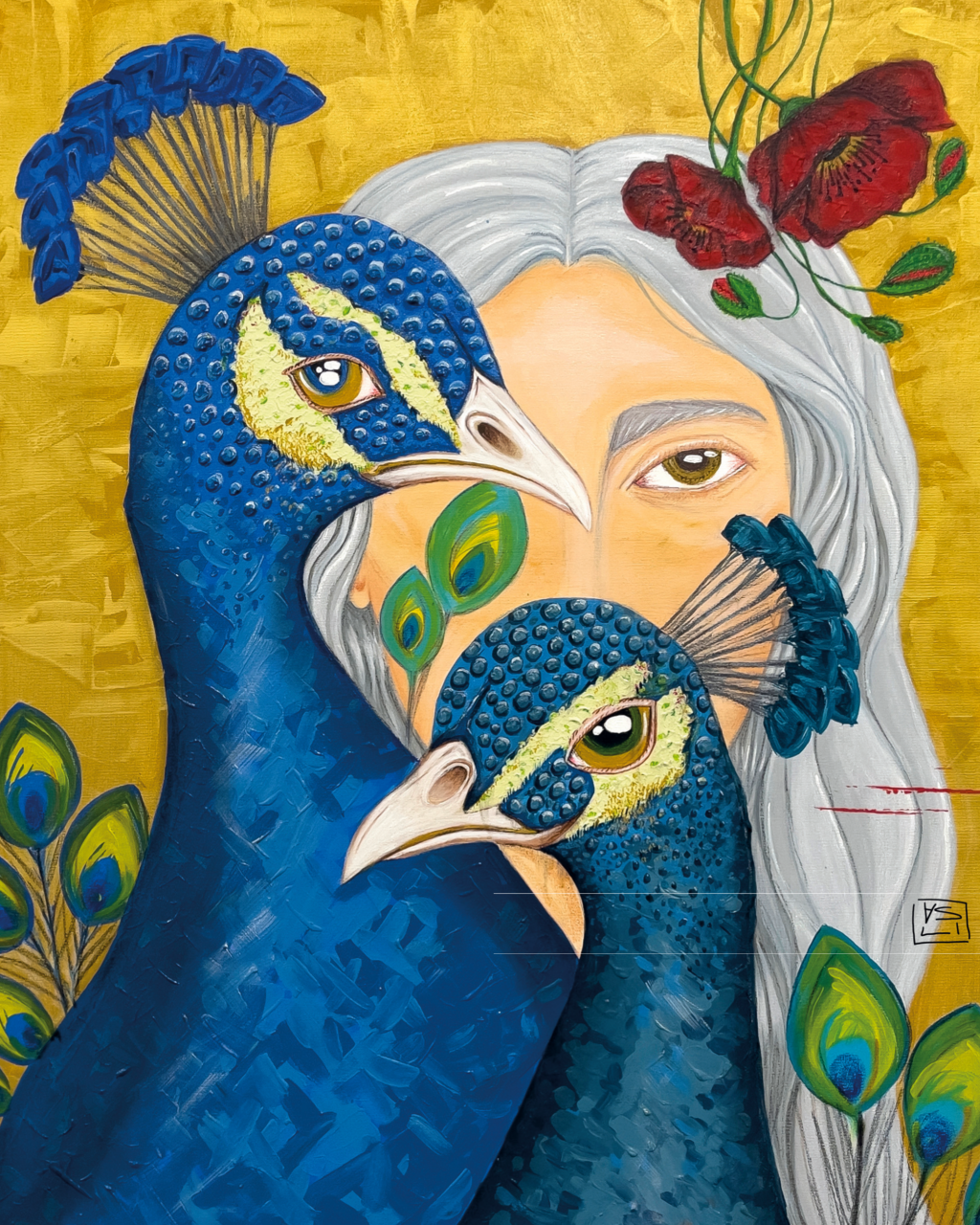
Silent Scream
by Asli Filiz This work is an intimate and deeply charged artistic testimony a visual space where I confront the historical traumas, cultural endurance, and resilient spirit of Êzîdî women. I did not create this piece merely to represent something, but to carry something: a vessel of collective memory, holding both our scars and our…
-
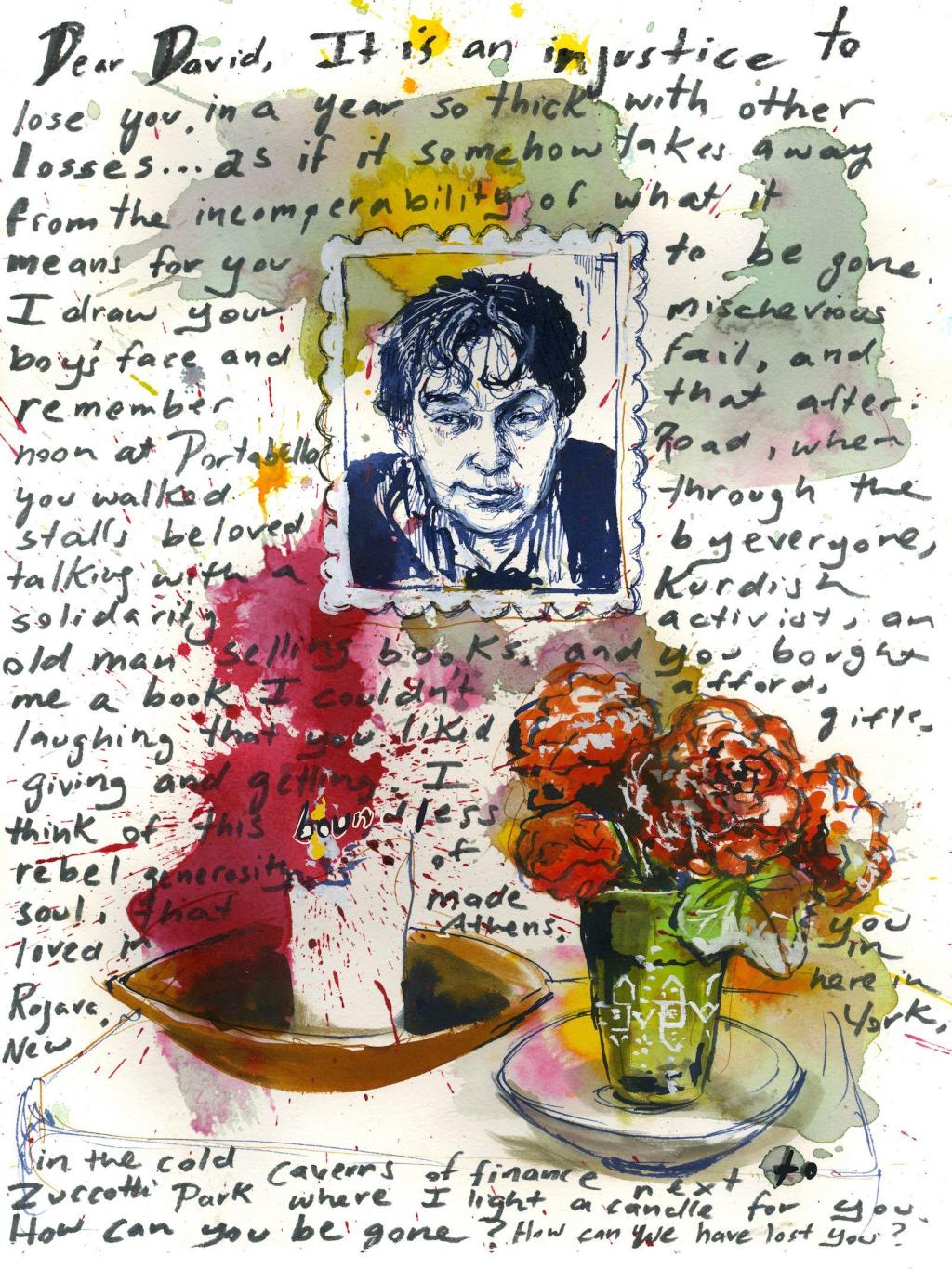
Öcalan as Thinker: On the Unity of Theory and Practiceas Form of Writing
by David Graeber I want to write a few words on the status of Abdullah Öcalan as a thinker. He has written voluminous works; but outside the Kurdish movement, the world appears to have had a very difficult time figuring out what to make of them. There seems to be confusion even over such apparently…
-
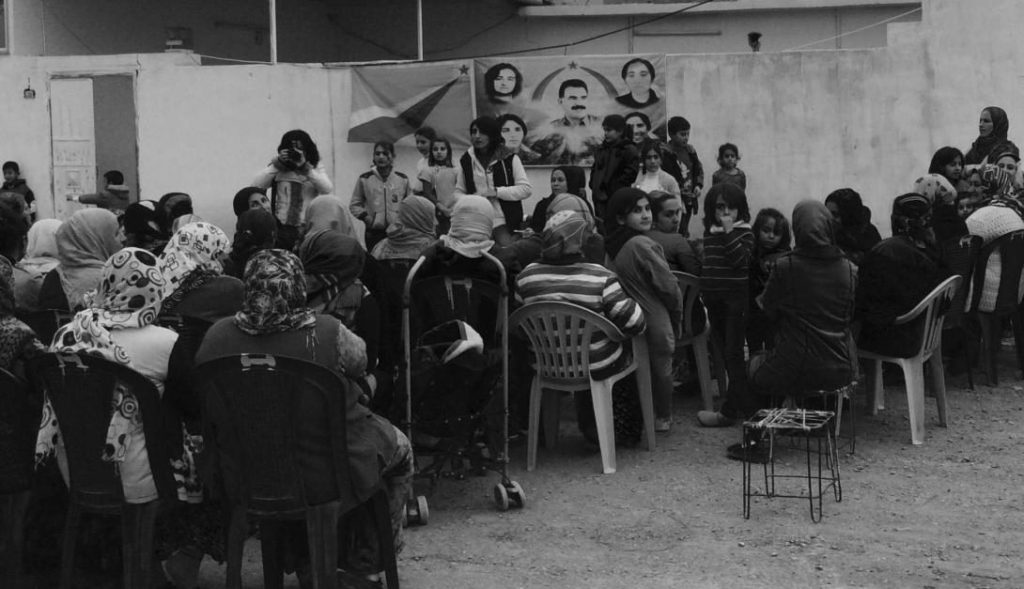
Democratic Confederalism: A Non-state Political Governance
by Abdullah Öcalan The democratic confederalist system is democratic modernity’s counterpart of the nation-state, the main state form of official modernity. We can define this as a form of non-state political governance. Contrary to what one might think, democratic confederalism is not a governing system that is specific to our time; it is a system…
-
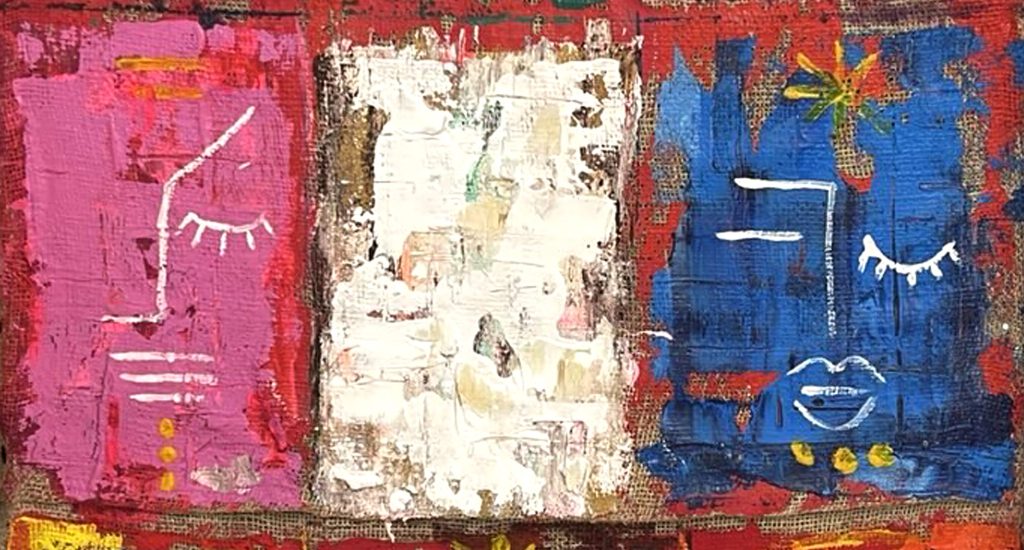
Imagining Freedom in the Kurdish Women’s Freedom Movement
by Nazan Üstündağ This article aims at thinking together with the Kurdish Women’s Freedom Movement about how an anti-colonial form of freedom can be imagined by women. The slogan Jin Jiyan Azadi (Woman, Life, Freedom) that has become the symbol of the women’s revolution in Iran was invented by Kurdish women in dialogue with the…
-
A Different Kind of Academy
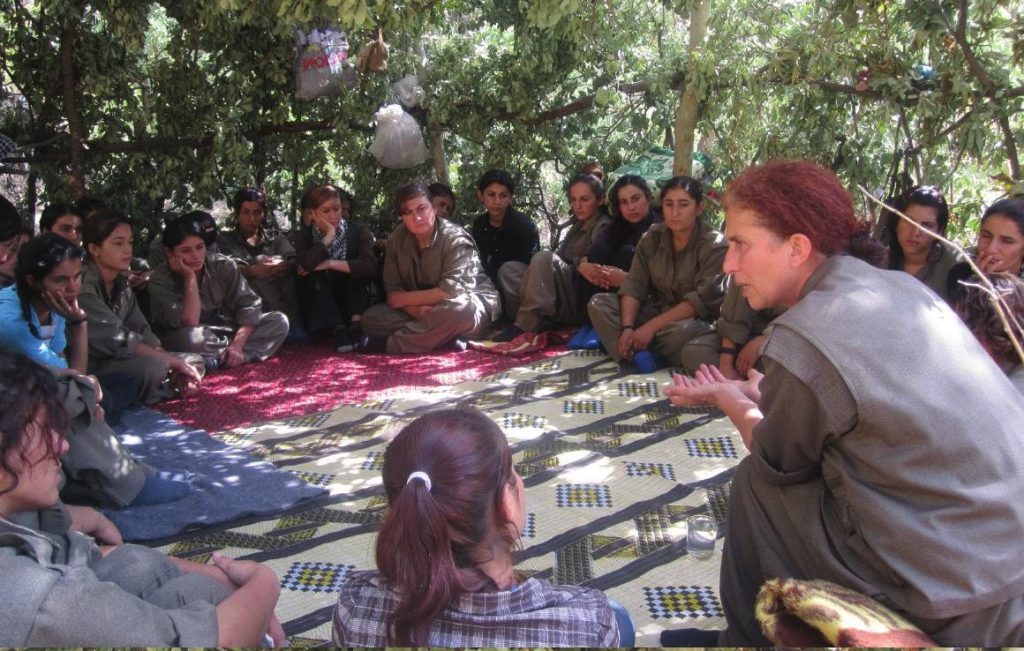
by Reimar Heider The establishment of a new academy like the Academy of Social Science raises all sorts of questions: What is an academy? Why another academy? Do we need academies? And if so, what for? I will try to shed some lights on these questions on the background of the experiences of the Kurdistan…
-
Women, Knowledge, Life, Freedom
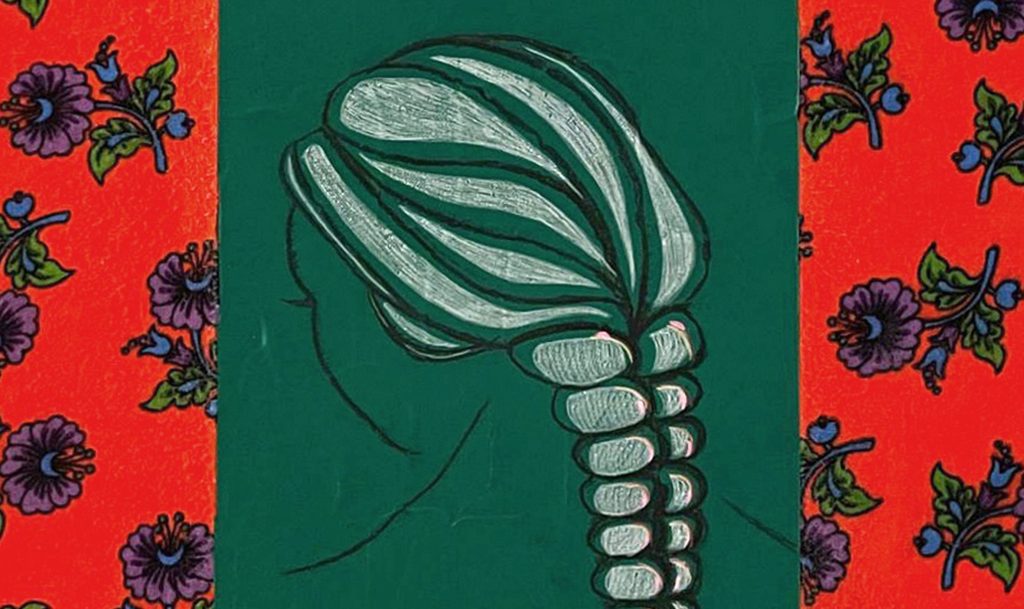
by Laura Fantone Let us say that we are making several revolutions at the same time: the social revolution, the revolution of a democratic nation, the women’s freedom revolution and the revolution of self-defense. This is certainly not easy: not easy for women and men who, for hundreds of years, have been estranged to their…
-
Peoples in Movement Organize Through Community and Use Values
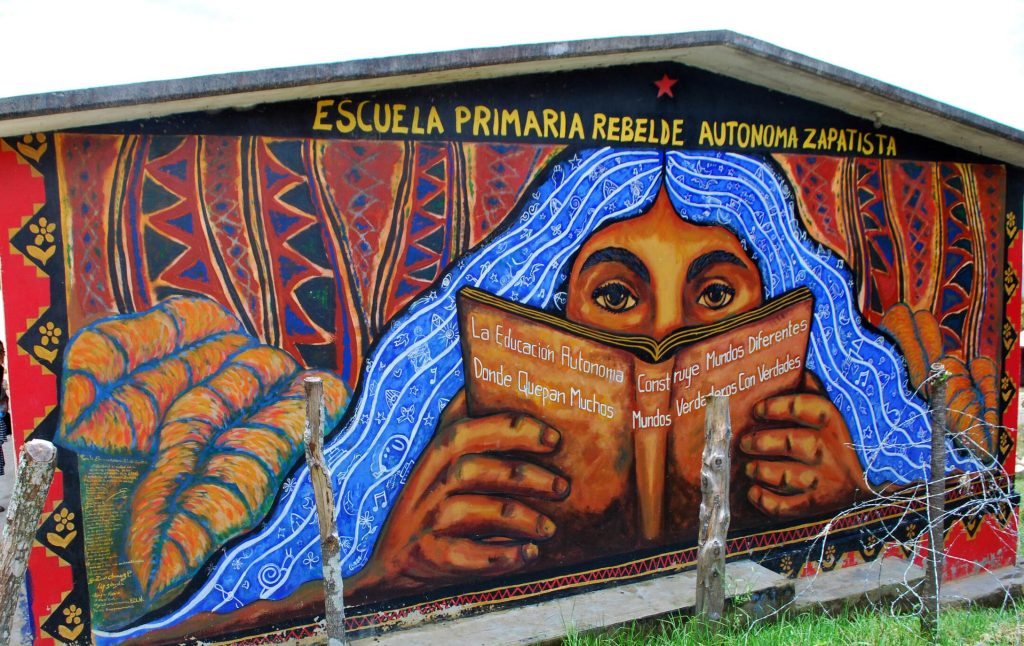
By Raúl Zibechi The point I intend to discuss is how peoples in movement have become subjects of decolonization since they disarticulate the hierarchical, state-centered, patriarchal and colonial relations that sustain the regime of capitalist accumulation and domination. Among the adversaries they must evade are state institutions, academia and the repressive forces that underpin them,…
-

Truth
By John Holloway I Of all that I have read, probably the sentence that has helped and inspired me most is a comment made by Ernst Bloch in his Tübingen Introduction to Philosophy. Alienation could not even be seen, and condemned of robbing people of their freedom and depriving the world of its soul, if…
-

Unidisciplinarity & the Promise of a Sociology of Freedom
By Andrej Grubačić When I shared the academy’s brief description with a friend who happens to be an academic economist, he responded that it was very poetic but didn’t seem realistic. I believe we should take his polite condescension as a compliment. We don’t aspire to affirm reality but to oppose it. Reality is, indeed,…
-
Food and Social Nature: Foundation for Democratic Modernity
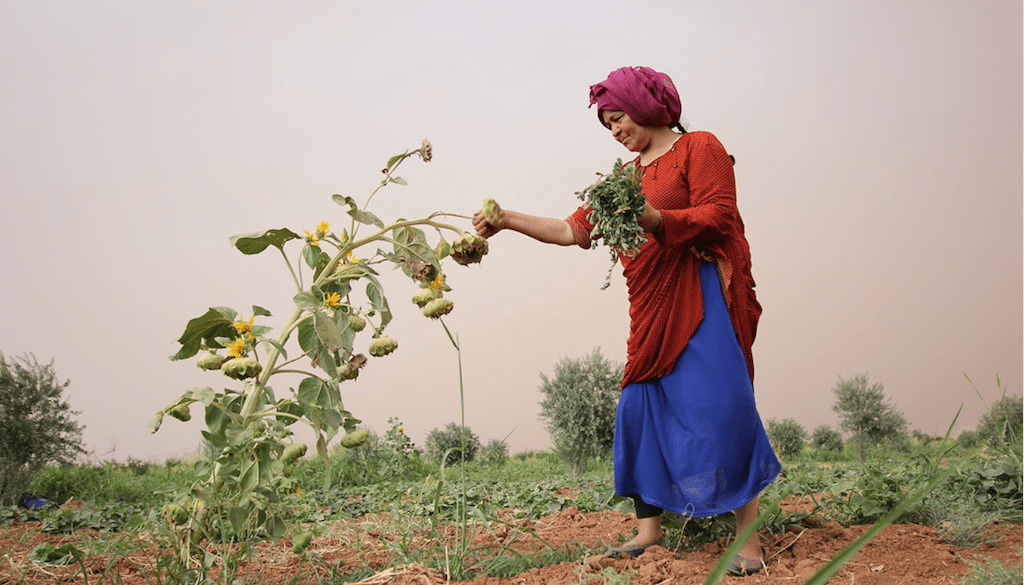
By Harriet Friedmann Food makes life joyful. It connects society to complex ecosystems in soils, to metabolism of human bodies, to public markets and shared meals. It is the foundation of democratic modernity. Of course, food makes life miserable when bonds are broken. Capitalist modernity hides the real connections between earth and mouth in long…
